
London Grilling: Amy Broch on JOYFUL Abundance, Emotional Infrastructure and the Power of Play
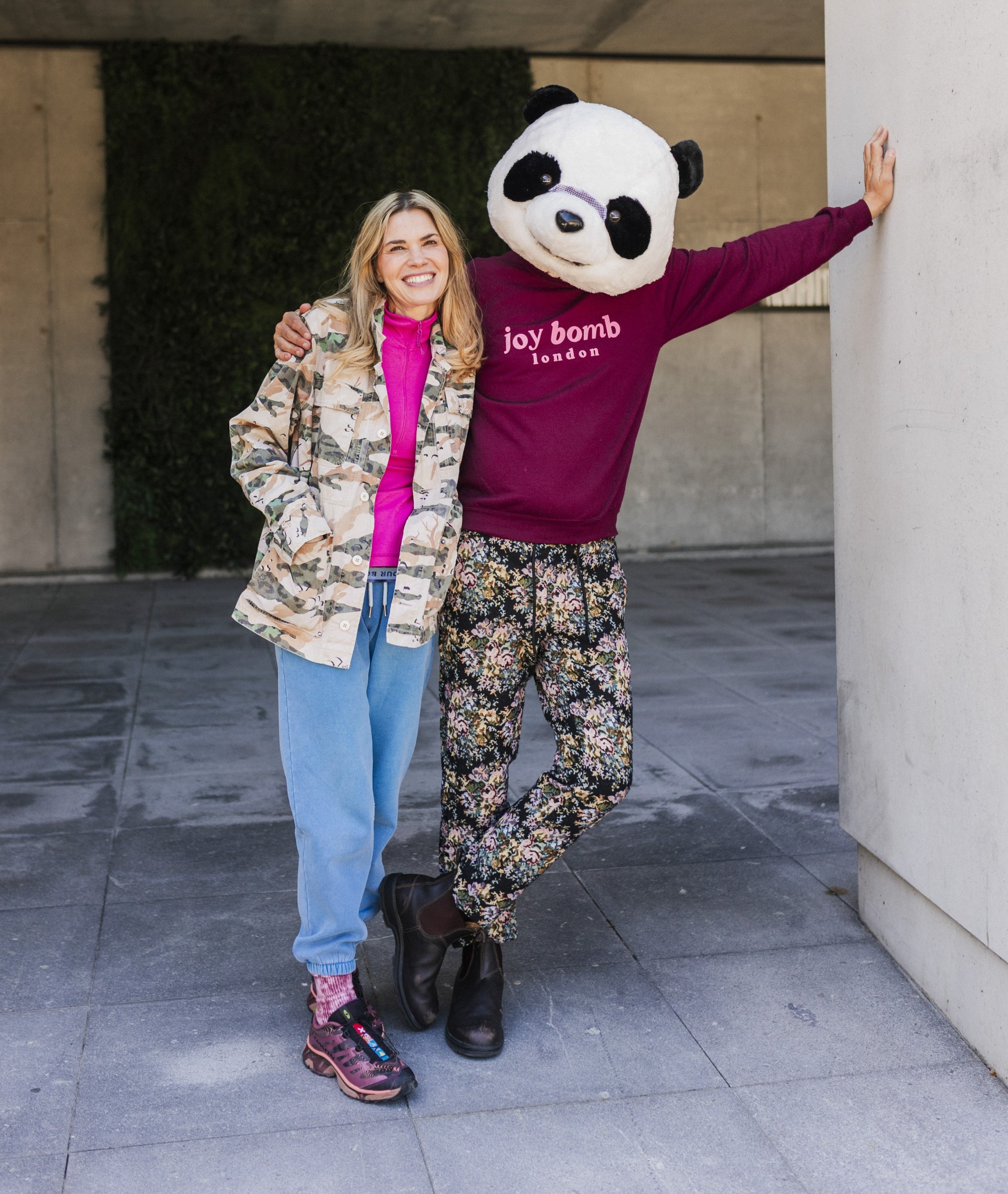
Amy Broch, Artist, with the JOY Bomb Panda
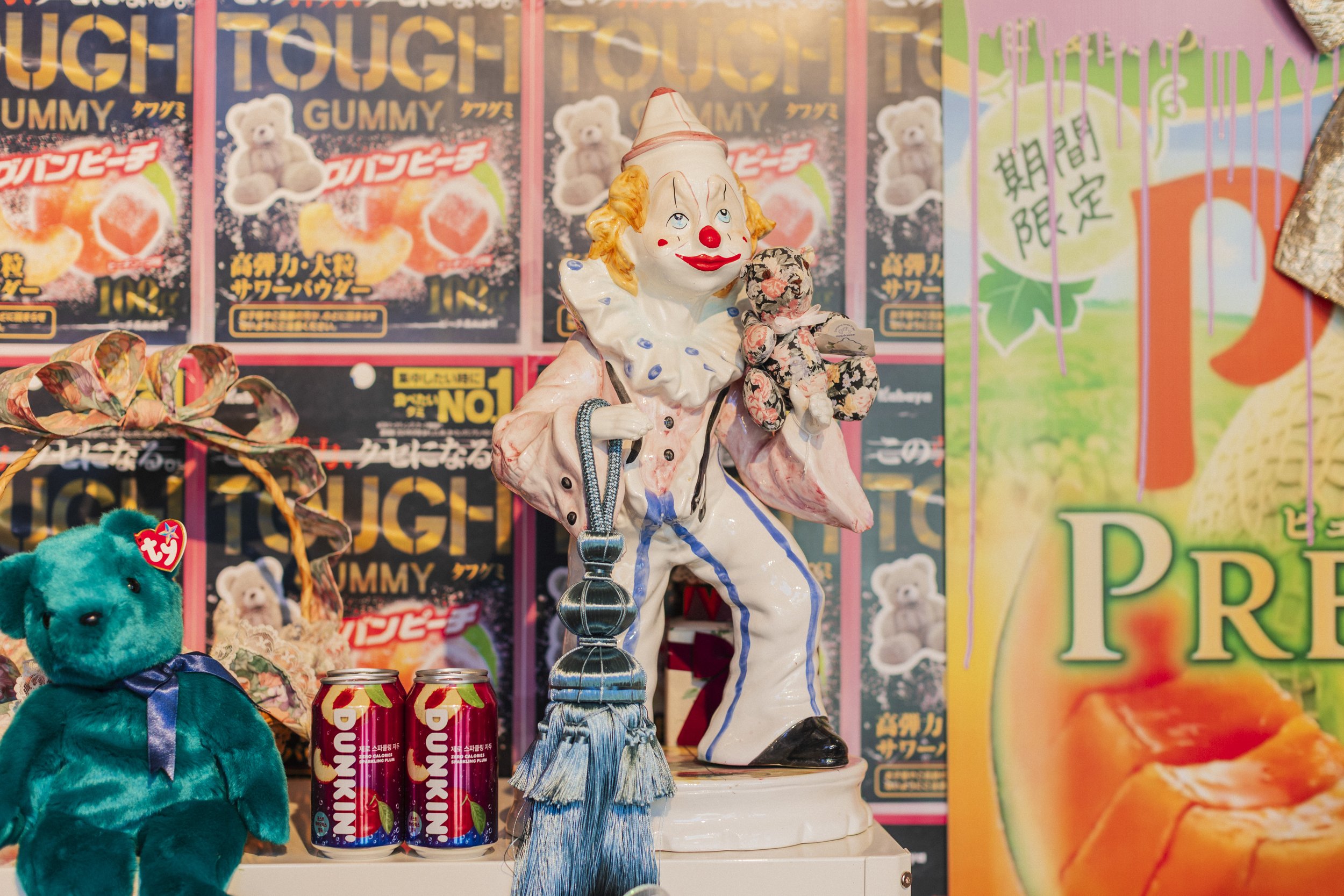
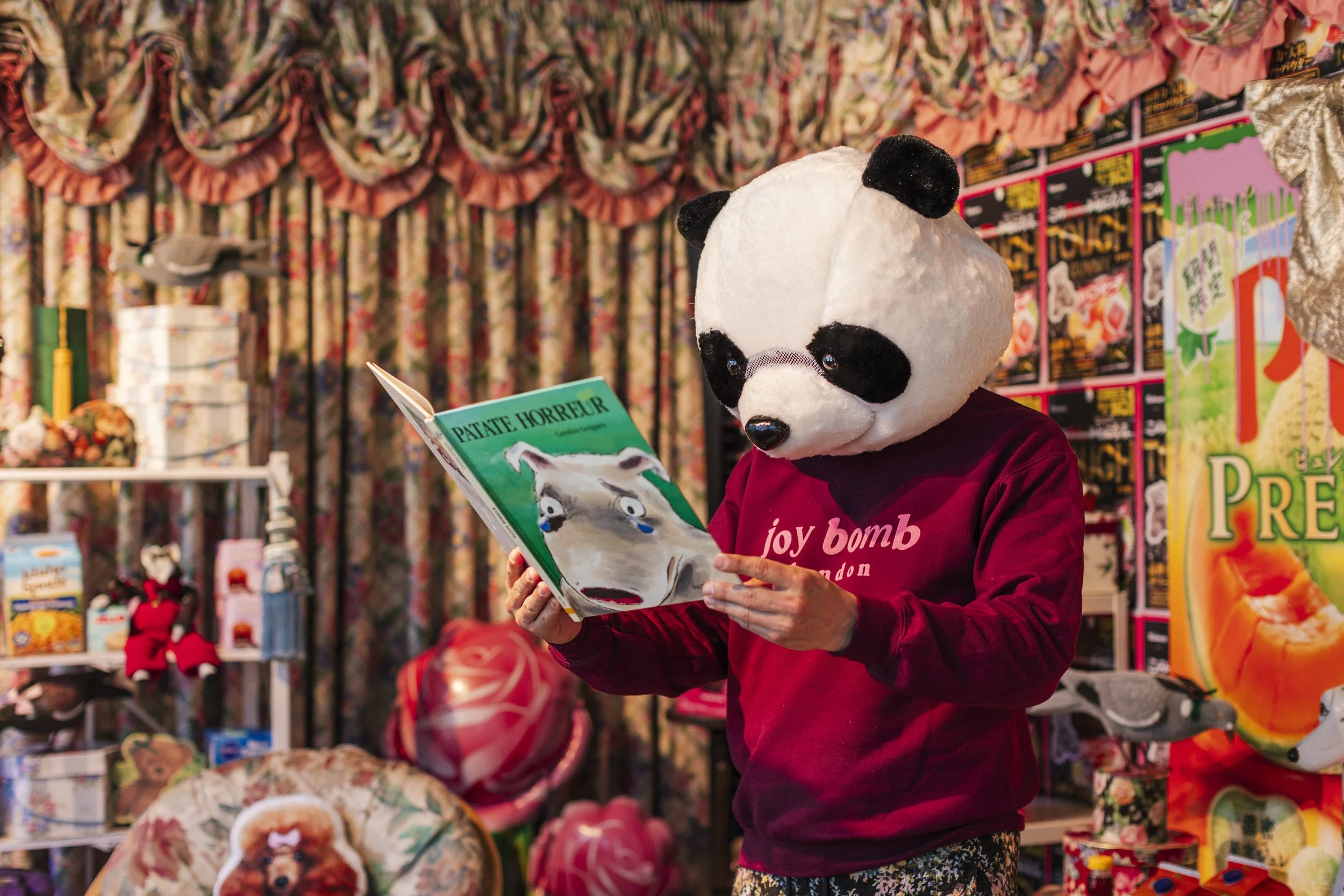
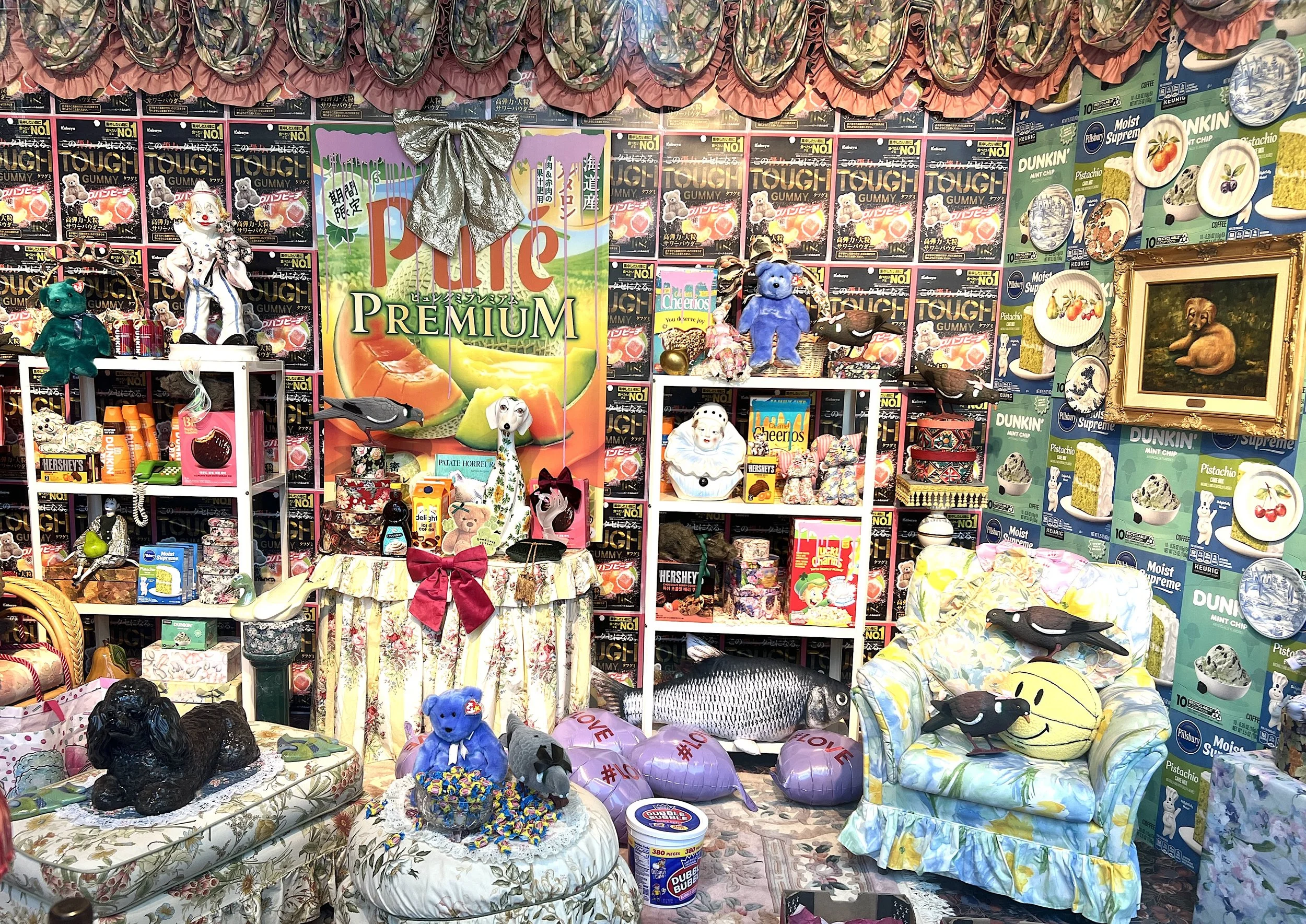
Ahead of its launch at Notting Dale, West London, we were invited for a sneak preview of JOYFUL Abundance: a new immersive installation by multidisciplinary artist Amy Broch, also known as JOY Bomb. Hosted by Illuminate Productions at the White Building, the experience centres around The Thrift Oracle, a playful yet surprisingly emotional encounter with the now cult-followed JOY Bomb Panda.
Designed as a “joy drop” that can fit into a lunch break or pause in the day, the 15-minute installation blends humour, nostalgia, ritual and interaction inside a surreal world of curated objects and hidden messages. We caught up with Amy to talk emotional infrastructure, the power of play, and why joy feels more essential than ever.
Welcome Amy, we adore your latest project! Tell us, what does “abundance” mean in the context of this installation?
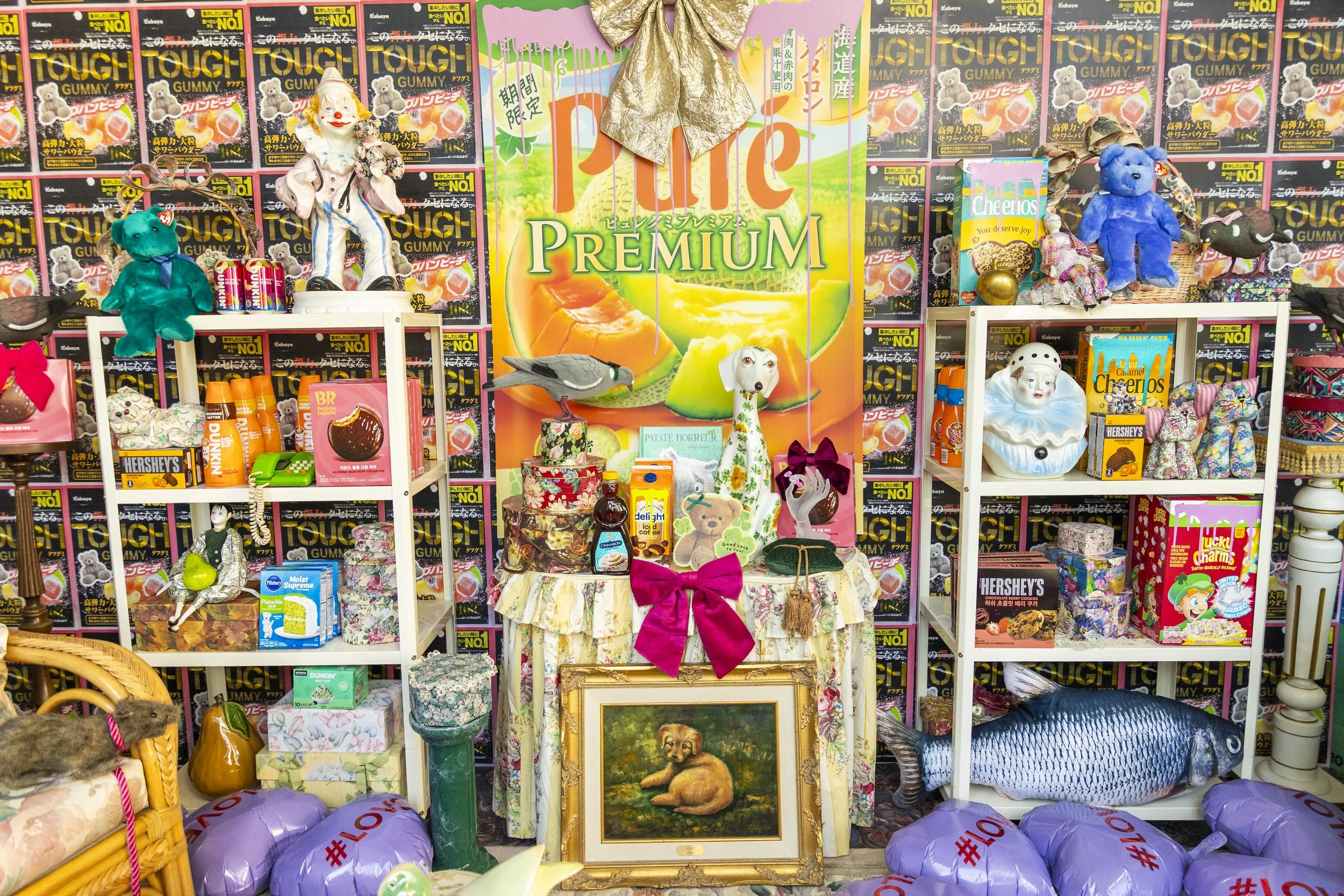
For me, abundance is emotional as much as material. We often think of abundance in terms of wealth, excess, or consumption, but JOYFUL Abundance asks whether joy, softness, humour, curiosity, and connection can also be forms of abundance. The installation is visually excessive — layered objects, colour, nostalgia, texture — but underneath that is a deeper question about emotional survival. In difficult times, creating moments of delight can become a very intentional act. The work turns happiness from decoration into something closer to emotional infrastructure.
Notting Dale has a growing reputation as a creative campus. How does JOYFUL Abundance fit into that wider ecosystem?
I think Notting Dale represents a really exciting middle ground between art, experimentation, fashion, performance, and community. JOYFUL Abundance fits naturally into that because it doesn’t sit comfortably inside one category. It’s installation, performance, sculpture, theatre, social interaction, and emotional experience all at once.
What I love about creative campuses is that they allow work to feel alive and evolving rather than fixed and overly formal. Visitors don’t just observe the work — they encounter it.
Do places like Notting Dale enable a different kind of artistic freedom compared to traditional galleries?
Definitely. Traditional gallery spaces can sometimes create a psychological distance between the audience and the artwork. People often feel they need to behave correctly or intellectually decode something.
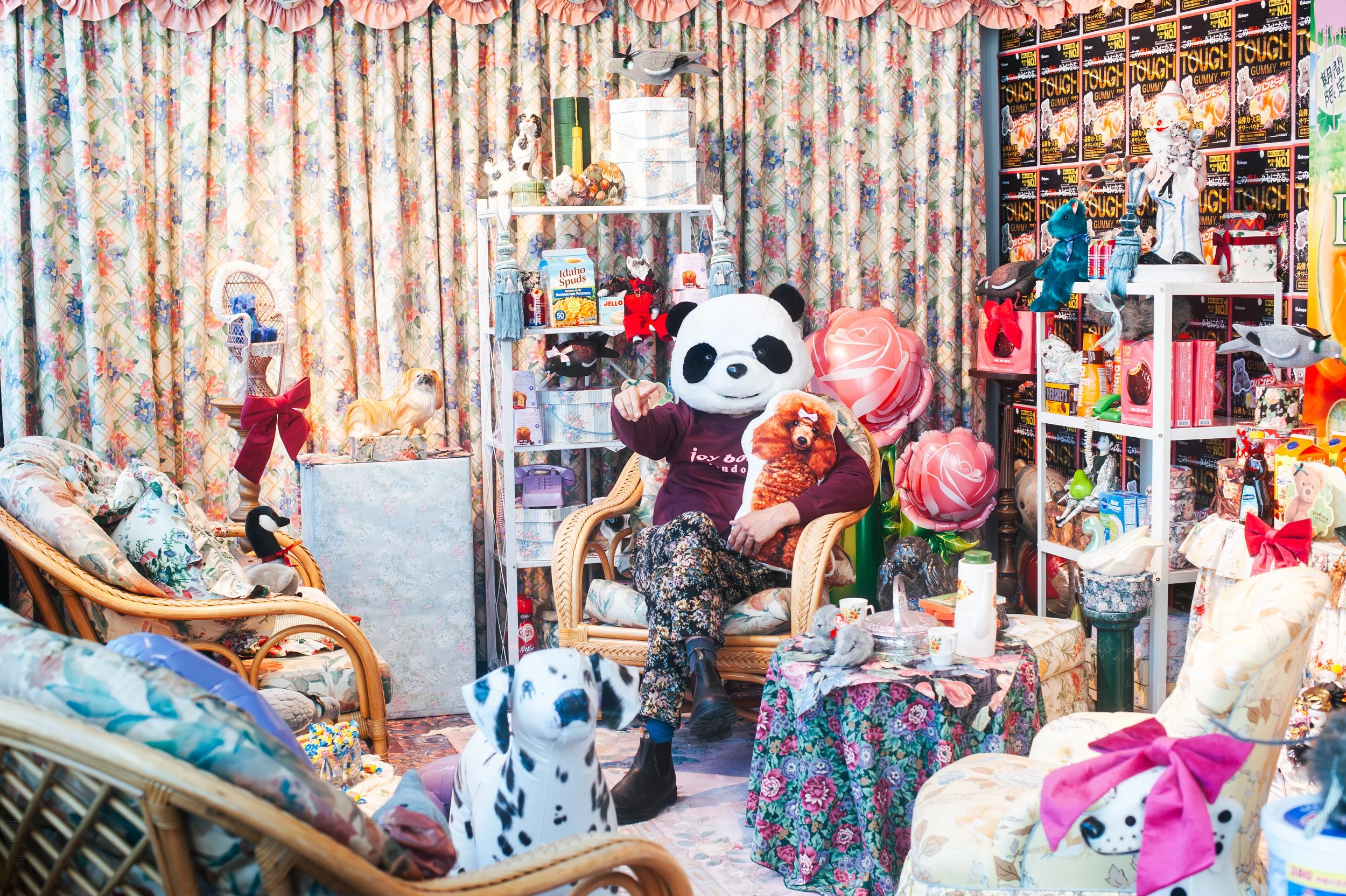
Spaces like Notting Dale allow for more experimentation and emotional immediacy. The work can be immersive, playful, interactive, strange, theatrical — even slightly chaotic. That freedom is important to me because JOY Bomb has always been about creating experiences people physically and emotionally step into.
The idea of “emotional infrastructure” is really striking. Can you explain what that means in practice?
We invest heavily in physical infrastructure — roads, buildings, technology — but we rarely talk about the systems that emotionally sustain people.
For me, emotional infrastructure includes joy, ritual, play, beauty, humour, softness, connection, imagination. These things are often dismissed as frivolous, but they’re actually essential to resilience. In practice, JOYFUL Abundance is designed almost like a temporary emotional support environment. The lighting, objects, colour, interaction, nostalgia, humour — all of it is working together to create a shift in feeling, even if only for fifteen minutes.
The installation uses everyday objects like ceramics and toys. Why was it important to work with these familiar, nostalgic materials?
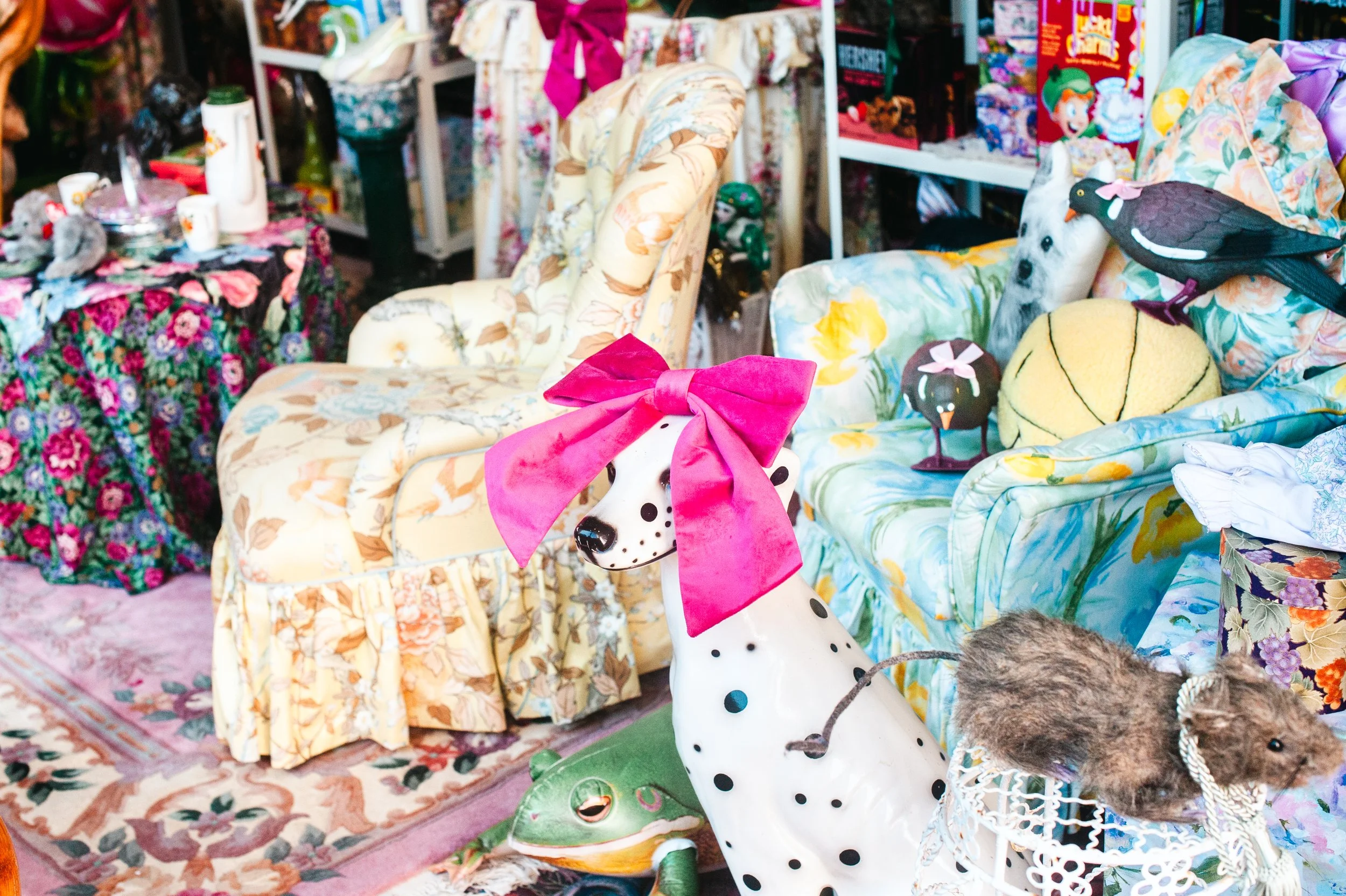
I’m very interested in objects that already contain emotional residue. Ceramics, toys, ornaments, thrifted items — these are things people once chose for comfort, identity, aspiration, tenderness, or fantasy.
When removed from their original homes and reassembled into a new environment, they become emotionally charged in a different way. They carry traces of previous lives and previous happiness.
I also love the idea of elevating ordinary objects into something almost sacred. JOY Bomb often sits in that space between humour and reverence.
There is a strong theme of joy as something intentional rather than accidental. Why do you think that is especially relevant right now?
Because I think modern life can easily push people into emotional numbness, overstimulation, anxiety, and exhaustion. Joy starts to become passive — something we hope happens to us eventually rather than something we actively cultivate. For me, joy is not denial or ignorance. It’s not pretending difficult things don’t exist. It’s actually a strategy for staying emotionally alive despite them.
That feels incredibly relevant right now because people are craving sincerity, play, connection, and emotional relief.
The Thrift Oracle is both playful and quite profound. What can visitors expect from those 15 minutes?
The experience sits somewhere between performance art, ritual, comedy, and emotional encounter. Visitors enter the installation and meet the JOY Bomb Panda, who acts as a kind of chaotic oracle figure. Participants are guided through a playful interaction before receiving a thrifted object paired with an intuitive message or “oracle.” Sometimes the objects feel funny, sometimes strangely accurate, sometimes unexpectedly moving. I think people often arrive laughing and leave surprisingly reflective. The experience gives permission to feel childlike again without feeling childish.
The JOY Bomb Panda has already built a bit of a following. What is it about this character that resonates so strongly with people?
I think the Panda represents emotional permission. The character is soft, absurd, comforting, slightly surreal, and completely non-judgemental.
People project onto it very easily because it exists outside normal social performance. It creates instant emotional disarmament. Adults suddenly become playful again around the Panda in a way they often don’t allow themselves to elsewhere. There’s also something powerful about using humour and absurdity to access deeper emotions indirectly.
Would you say the experience is more about escapism, reflection, or something else entirely?
I’d say it’s a temporary emotional recalibration. There is definitely escapism in the sense that visitors enter a different atmosphere, but I’m not interested in escapism that disconnects people from reality entirely. I’m more interested in creating a pause — a moment where people can reconnect with curiosity, feeling, softness, and imagination. Sometimes reflection becomes easier when approached sideways through play.
The installation is rooted in the idea of a “joy drop”. How does art contribute to mental wellbeing in a tangible way?
Art changes emotional state physically. It alters attention, mood, nervous system response, memory, perspective, and social connection. A “joy drop” is my way of describing a concentrated moment of emotional lift — however brief — that interrupts stress or emotional flatness. I think people underestimate how powerful small emotional shifts can be. Fifteen minutes of surprise, beauty, humour, connection, or play can genuinely change the direction of someone’s day.
The experience is private and ticketed, while passersby can only glimpse it. What role does that sense of curiosity or exclusivity play?
I wanted the installation to feel partially hidden — almost like discovering a secret emotional world inside an ordinary environment.
The glimpses from outside create intrigue and imagination. You see fragments, colours, silhouettes, movement, but not the full experience. That tension becomes part of the work itself.
The private nature of the encounter also allows visitors to relax more fully. It creates intimacy rather than spectacle.
What kind of reaction have you had from early visitors so far?
A lot of people arrive expecting something visually fun and leave talking about how emotionally affected they were by it. Some visitors laugh the entire time, some become unexpectedly reflective, some tell deeply personal stories during the Oracle interaction. The most meaningful reactions are usually when people say they felt lighter afterwards or that the experience reminded them of a part of themselves they hadn’t connected to in a long time.
If someone only has 15 minutes in their day, why should they spend it here?
Because fifteen minutes of genuine presence is actually quite rare now.
We spend so much time consuming content passively or rushing between obligations. JOYFUL Abundance offers a concentrated moment of feeling something directly — curiosity, delight, nostalgia, humour, surprise, softness. It’s a reminder that emotional experience still matters.
How would you describe the atmosphere inside the installation in three words?
Surreal. Tender. Electrified.
What do you hope people take away with them, beyond the curated object?
I hope they leave with permission — permission to value joy more seriously, to reconnect with play, to notice beauty more consciously, and to protect the softer parts of themselves rather than apologising for them.
The thrifted object becomes a physical reminder of that moment. Almost like evidence that joy, however fleeting, was real.
JOYFUL Abundance is welcoming visitors to Notting Dale for a limited series of private encounters that feel somewhere between performance art, therapy, theatre and pure escapism. Equal parts chaotic, tender and reflective, the experience offers a rare invitation to slow down, reconnect with curiosity and leave with both a curated object and, perhaps, a slightly lighter state of mind.
For ticket enquiries, email: Joy@illuminateproductions.co.uk.